7 Daily Full-Body Stretches for Beginners
Seven stretches covering upper body, spine, hips, lower back and hamstrings, and how to turn them into a habit that survives past week one.
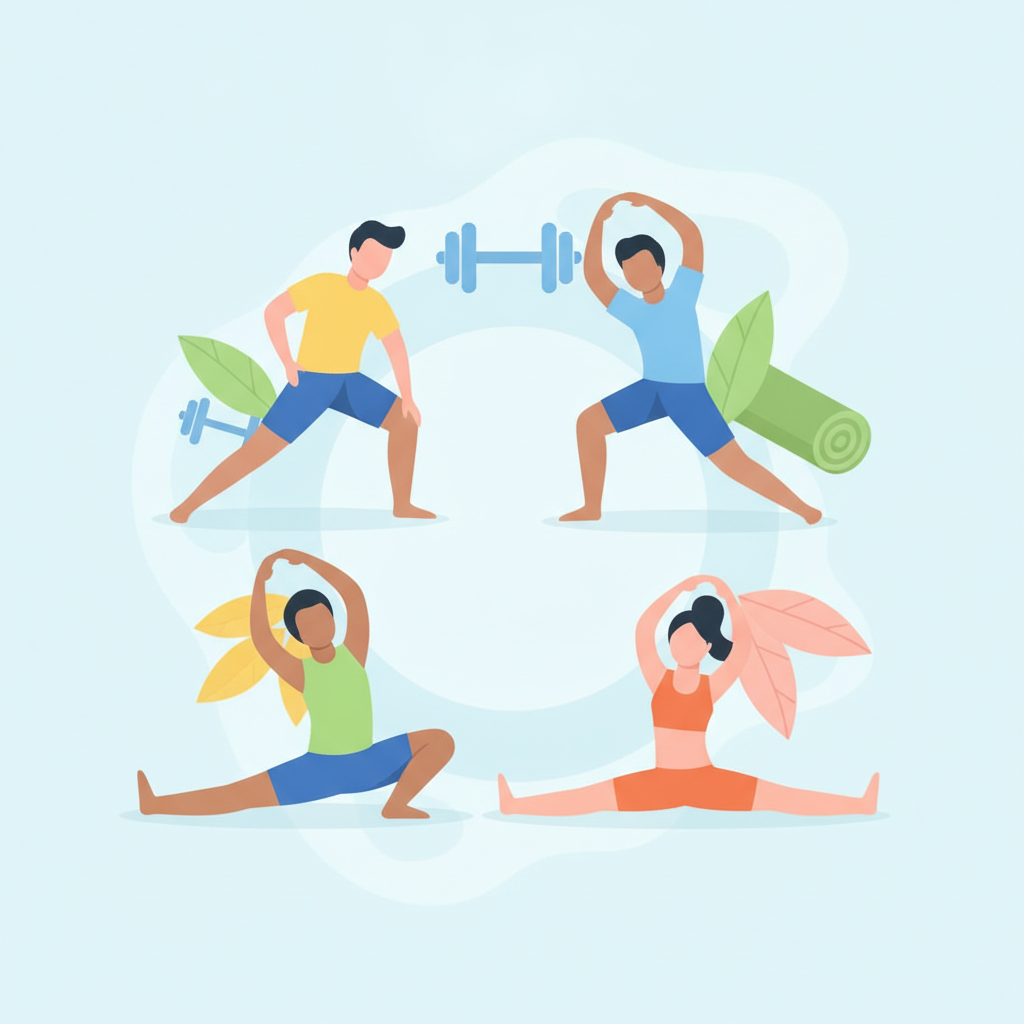
Whether you wake up stiff, spend long hours at a desk, or simply want to move better, starting a daily stretching practice is one of the smartest investments you can make in your health. This guide covers everything you need to get started — from key principles to a complete, equipment-free routine of seven beginner flexibility exercises you can do in 10 to 15 minutes a day.
Why Stretching Every Day Is a Game-Changer for Beginners
Consistency is everything when it comes to building flexibility. A single stretching session feels good; a daily stretching routine actually changes your body.
Here's what you can realistically expect from a consistent practice:
- Improved range of motion. Muscles and connective tissue adapt to regular lengthening. Over time, movements that once felt restricted — bending forward, reaching overhead, or rotating your torso — become noticeably easier.
- Reduced muscle tension. Tight muscles are a major source of chronic discomfort. Daily stretching releases that built-up tension, especially in the neck, shoulders, hips, and lower back — the areas most affected by sedentary lifestyles.
- Better posture. Tight chest muscles pull your shoulders forward. Weak, shortened hip flexors tilt your pelvis. A full-body stretch for beginners targets these imbalances and helps you stand and sit taller without effort.
- Stress relief. Stretching activates the parasympathetic nervous system, shifting your body out of "fight or flight" mode. Just five minutes of mindful stretching can reduce cortisol levels and lower your heart rate.
- Improved circulation. Lengthening muscles increases blood flow to the tissues, delivering more oxygen and nutrients while flushing out metabolic waste.
Set realistic expectations: most beginners notice meaningful flexibility improvements within two to four weeks of consistent daily practice. You won't become a gymnast overnight, but you will feel measurably better faster than you think.
What You Need to Know Before You Start Stretching
Before you dive into the exercises, a few foundational principles will keep you safe and help you get more out of every session.
Static vs. dynamic stretching Static stretching means holding a position for 20 to 60 seconds — ideal for post-workout recovery, evening routines, and the exercises in this guide. Dynamic stretching uses controlled movement (like leg swings or arm circles) to warm up joints before exercise. As a beginner, you'll primarily use static holds.
Warm up first Never stretch cold muscles aggressively. A five-minute brisk walk, light marching in place, or even a warm shower beforehand raises muscle temperature and makes tissue more pliable, reducing injury risk.
Breathe through every stretch Inhale to prepare, then exhale slowly as you ease into the position. Controlled breathing signals your nervous system to relax and allows you to sink deeper into each stretch safely.
Common beginner mistakes to avoid:
- Bouncing (ballistic stretching) — triggers the stretch reflex and can cause micro-tears
- Overstretching into pain — discomfort is normal; sharp or burning pain is not
- Holding your breath — increases tension and limits the depth of the stretch
- Skipping the warm-up — cold tissue is far more prone to strains
When to stretch: Morning stretching activates your body and combats overnight stiffness. Post-workout and evening stretching support recovery and improve sleep quality. Any time works — the key is doing it daily.
The 7 Best Full-Body Stretching Exercises for Beginners
This simple stretching routine covers your body from head to toe. No equipment is required, each stretch takes 30 to 60 seconds, and every move includes a beginner modification so you can work at your own level.
Muscle groups targeted across the full routine:
- Neck, upper traps, and shoulders
- Chest and thoracic spine
- Lower back and lumbar spine
- Hip flexors, glutes, and IT band
- Hamstrings and calves
Work through all seven in order for a complete daily stretching routine.
Stretches 1 to 3: Upper Body and Spine Flexibility
Stretch 1 — Neck and Shoulder Roll
Targets: Neck muscles, upper trapezius, cervical spine
How to do it:
- Sit or stand tall with your shoulders relaxed.
- Slowly drop your right ear toward your right shoulder until you feel a gentle pull along the left side of your neck.
- Hold for 20 to 30 seconds, then switch sides.
- Follow with slow, controlled shoulder rolls — three forward, three backward.
Hold time: 20 to 30 seconds per side Beginner modification: Place one hand on the opposite side of your head for a very light added stretch — never pull hard.
Stretch 2 — Chest Opener (Doorway Stretch)
Targets: Pectorals, anterior deltoids, rounded shoulders
How to do it:
- Stand in a doorway and place both forearms on the door frame at shoulder height, elbows at 90 degrees.
- Step one foot forward and gently lean your chest through the opening until you feel a stretch across your chest.
- Hold the position, breathing deeply.
Hold time: 30 seconds Beginner modification: Move your arms lower on the frame (closer to hip height) to reduce intensity.
Stretch 3 — Seated or Standing Spinal Twist
Targets: Thoracic spine, obliques, paraspinal muscles
How to do it:
- Sit on the floor with legs extended, or sit upright in a chair.
- Bend your right knee and cross your right foot over your left thigh.
- Place your left elbow on the outside of your right knee and gently rotate your torso to the right.
- Hold, then switch sides.
Hold time: 30 seconds per side Beginner modification: Perform seated in a chair — simply grip the back of the chair to assist the rotation.
Stretches 4 to 5: Core, Hips, and Lower Back Relief
Hip and lower back flexibility is essential for everything from walking up stairs to sitting comfortably. Tight hips are one of the leading contributors to lower back pain, making these two stretches among the most important in any beginner flexibility routine.
Stretch 4 — Child's Pose
Targets: Lower back, hip flexors, lats, shoulders
How to do it:
- Kneel on the floor, sitting back toward your heels.
- Extend your arms forward on the floor and lower your chest toward the ground.
- Breathe into your lower back — feel it expand and release with each exhale.
Hold time: 45 to 60 seconds Beginner modification: Place a folded blanket or pillow between your thighs and calves for support if your hips don't reach your heels.
Stretch 5 — Lying Knee-to-Chest Stretch
Targets: Lumbar spine, glutes, piriformis
How to do it:
- Lie on your back on a firm surface.
- Draw one knee toward your chest, clasping your hands just below the kneecap.
- Hold, then switch legs. For a deeper stretch, hug both knees simultaneously.
Hold time: 30 seconds per side Beginner modification: Use a small pillow under your head for neck support.
Stretches 6 to 7: Legs and Hamstrings for Total Flexibility
Tight hamstrings are one of the most common issues for beginners — and one of the most consequential. When the backs of your thighs are short and stiff, they pull on your pelvis and lumbar spine, directly contributing to lower back pain and poor posture. These final two simple stretching exercises address the entire lower body.
Stretch 6 — Standing or Seated Forward Fold
Targets: Hamstrings, calves, lower back
How to do it:
- Stand with feet hip-width apart and soften your knees slightly.
- Hinge at your hips (not your waist) and lower your hands toward the floor.
- Let your head hang heavy and breathe into the back of your legs.
Hold time: 30 to 45 seconds Beginner modification: Sit on the floor with legs extended and reach toward your shins. Use a yoga strap or rolled towel looped around your feet to bridge the gap without rounding your back.
Stretch 7 — Figure-Four (Supine Pigeon Pose)
Targets: Glutes, hips, IT band, piriformis
How to do it:
- Lie on your back with both knees bent, feet flat.
- Cross your right ankle over your left thigh, flexing your right foot.
- Reach your hands behind your left thigh and gently pull both legs toward your chest.
- Hold, then switch sides.
Hold time: 30 to 45 seconds per side Beginner modification: Skip pulling the legs in — simply hold the crossed-ankle position with the foot flat on the floor for a gentler hip stretch.
How to Build a Daily Stretching Routine That Actually Sticks
Knowing the stretches is step one. Showing up every day is where real progress happens.
Suggested 10 to 15 minute daily schedule:
| Stretch | Hold Time |
|---|---|
| Neck and shoulder roll | 30 sec each side |
| Chest opener | 30 sec |
| Spinal twist | 30 sec each side |
| Child's pose | 60 sec |
| Knee-to-chest | 30 sec each side |
| Forward fold | 45 sec |
| Figure-four | 45 sec each side |
Habit stacking is your secret weapon. Attach your morning stretching routine to something you already do — lay out your mat next to where you make coffee, or stretch immediately after brushing your teeth. When the habit has an existing trigger, it requires far less willpower to maintain.
Track your progress. Keep a simple flexibility journal — note your starting range of motion and log it weekly. Many beginners are surprised how quickly they improve when they have objective data to reference. A fitness app with built-in progress tracking can make this even easier.
Consistency beats intensity every time. A gentle 12-minute session done daily will yield better long-term results than an aggressive 45-minute session done twice a week. Honor your body, stay out of pain, and let time do the work.
Frequently Asked Questions
How long should a beginner hold each stretch?
For static stretching, aim to hold each position for 20 to 30 seconds when you're just starting out. This duration is long enough for your nervous system to recognize the position as safe and begin releasing tension. As your flexibility improves over the following weeks, you can gradually extend holds to 45 to 60 seconds, which allows deeper adaptation in the connective tissue. Shorter holds under 15 seconds provide minimal lasting benefit, so resist the urge to rush through the routine.
Is it okay to stretch every day as a beginner?
Yes — daily stretching is not only safe for beginners, it's actively recommended. Unlike strength training, which requires rest days for muscle repair, gentle static stretching can be performed every single day without overtraining risk. The key caveats are: never stretch cold muscles aggressively, always stop at the point of gentle tension rather than pain, and listen to your body on days when you feel unusually sore or fatigued. Consistency is the most important variable for improving flexibility.
How soon will I see flexibility improvements from daily stretching?
Most beginners notice a real, measurable improvement in their range of motion within two to four weeks of consistent daily practice. You may feel less stiff after just a few sessions, but structural changes to connective tissue and muscle length take longer to solidify. Progress accelerates when you combine daily stretching with good hydration, adequate sleep, and proper breathing technique during each hold. Patience paired with consistent effort is the formula that works.
Should I stretch in the morning or at night?
Both times offer distinct benefits, and ideally you'd do a short session at each. Morning stretching breaks up overnight stiffness, activates circulation, and mentally prepares you for the day ahead — making it an excellent part of a morning stretching routine. Evening stretching helps your muscles recover from the day's activities, lowers cortisol, and signals your nervous system to wind down, which can meaningfully improve sleep quality. If you can only choose one, pick the time you're most likely to do it consistently.
Can stretching help with back pain for beginners?
Gentle, consistent stretching — particularly exercises targeting the hips, hamstrings, and lower back — is one of the most well-supported non-medical approaches to relieving common lower back discomfort. Tight hamstrings and hip flexors are among the leading contributors to lumbar pain, so stretches like the forward fold, child's pose, and knee-to-chest directly address the root cause. That said, if your back pain is chronic, severe, or accompanied by numbness or radiating pain down the legs, consult a doctor or physical therapist before starting any new exercise routine.
💪 Train smarter with f/ai — an AI coach builds a personal program for your goals and adapts as you progress. Get the app →
Try F/AI — AI Fitness Trainer
Personalized workout plans, AI trainer chat, photo body analysis.
Download for free